Layered Prompting
Refining Your Way to Perfect Responses
Layered prompting is a powerful technique for achieving highly specific and accurate results from AI assistants like ChatGPT and Gemini.
The core idea is to start with a broad or general prompt and then refine the response by adding layers of specificity with follow-up questions. This approach allows you to incrementally guide the AI toward the exact information or format you need, rather than trying to get everything in one go.
Using layered prompting can be particularly helpful when dealing with complex tasks or ambiguous queries. For example, if you're generating content, conducting research, or troubleshooting a problem, your initial prompt might only provide a rough framework. Through follow-up questions, you can drill down into specific sections or aspects—asking for clarification, deeper explanations, or revised outputs.
This not only improves accuracy but also allows the assistant to adjust to your evolving needs.
By mastering this technique, you can ensure that your AI interactions are both flexible and efficient, as the assistant can adapt its responses based on your ongoing input. Whether you're writing a blog post, designing a marketing campaign, or solving a technical challenge, layered prompting ensures you're never stuck with a one-size-fits-all answer.
Not Just Any Plan — It’s Lana’s Plan
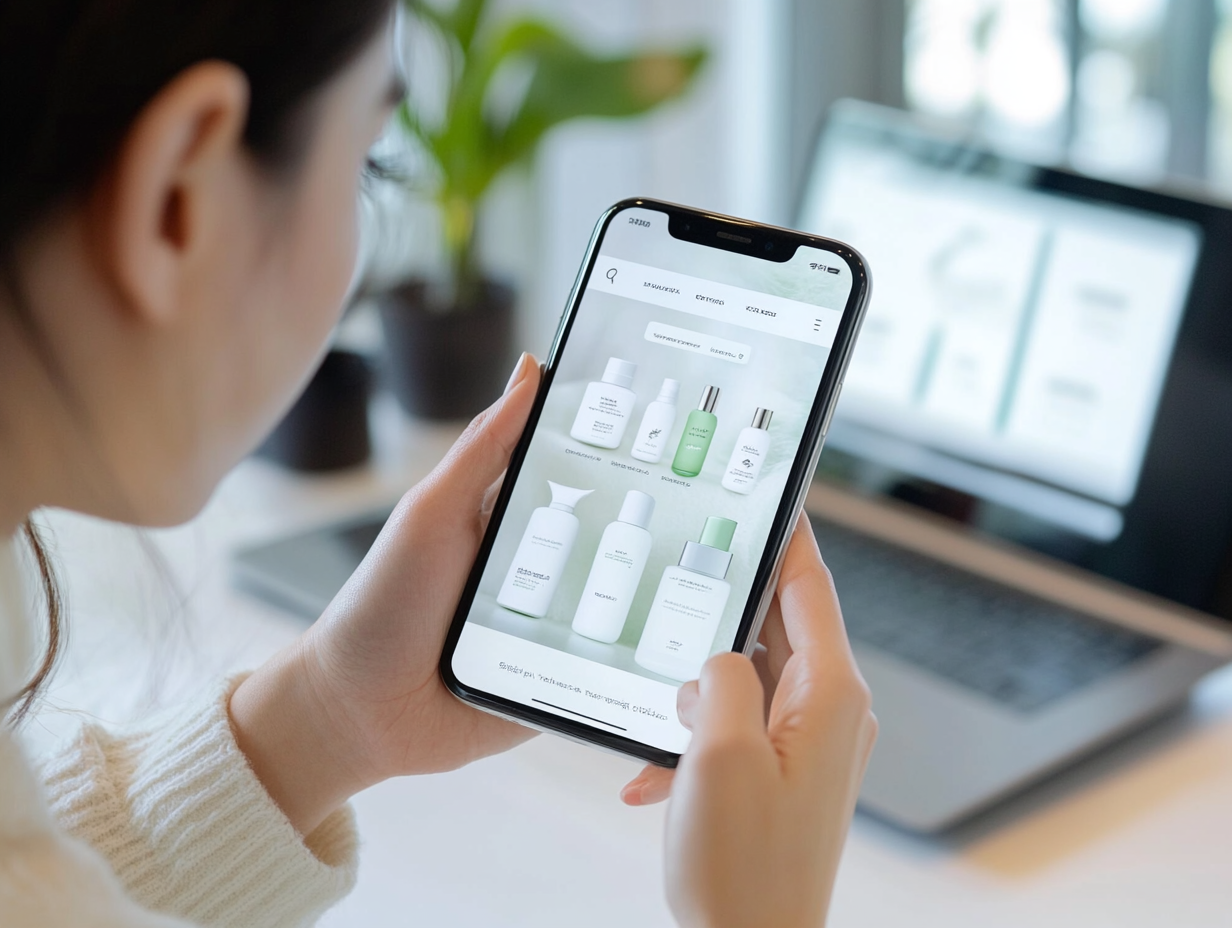
Lana is a content strategist for a growing skincare brand, and she's in the middle of planning a marketing campaign. She wants to create an email series to promote a new product launch, but instead of starting from scratch, she decides to ask ChatGPT for help.
First, Lana provides a general request to brainstorm some ideas, but she knows that to get something she can actually use, she'll need to refine the initial suggestions through layered prompting.
Conversation
Prompt
"Can you give me some ideas for an email marketing campaign to promote a skincare product launch?"
Response
"Sure! Here are a few email campaign ideas:
Teaser Campaign: Send an early announcement with sneak peeks of the new product.
Educational Series: Provide insights about the key ingredients in the new product and how they benefit the skin.
Customer Testimonials: Feature real customer experiences with the product to build credibility.
Launch Day Email: A big reveal on the launch day with a clear call-to-action to purchase.Which of these do you think works best for your brand?"
Explanation:
The initial prompt was broad and gave Lana several different approaches. However, none of them were fully developed. She’ll need to use layered prompting to refine one of these ideas further.
Prompt
"Let's focus on the educational series. Can you help me outline a 3-email sequence that educates customers about the key ingredients?"
Response
"Absolutely! Here's a 3-email sequence for an educational series:
Email 1 — Introduction to the Ingredient: Start by introducing the star ingredient, explaining why it's the focus of the product, and how it's sourced.
Email 2 — The Science Behind It: Go deeper into how this ingredient interacts with the skin on a scientific level, providing credible research or data.
Email 3 — Real-Life Results: Highlight the before-and-after benefits of the ingredient, using case studies or early customer reviews to show its effectiveness.You could follow this up with a promotional email offering a limited-time discount."
Explanation:
Lana's follow-up prompt narrowed down the focus, leading the AI to flesh out one of the ideas with a specific structure. The use of layers here helped Lana get a more actionable plan.
Prompt
"Can you make Email 2 more engaging by explaining the science in simple, relatable terms?"
Response
"Of course! Here's an updated version of Email 2 with a more engaging, relatable tone:
Email 2 — The Science Behind It (Simplified Version)
'You know that refreshing feeling after you've splashed cold water on your face? That's similar to how our star ingredient, hyaluronic acid, works! It's like a big drink of water for your skin, drawing moisture in and holding it there. When applied, it forms a barrier, locking in hydration and making your skin look plump and youthful. Studies show that using products with hyaluronic acid can help reduce fine lines and improve skin elasticity within just a few weeks. And the best part? It's super gentle, so even sensitive skin can reap the benefits.'
Does this sound more like what you were envisioning?"
Explanation:
Lana refined the second email by asking for more engagement, resulting in a response that breaks down the science into a relatable, easy-to-understand explanation. This layer added the tone she was looking for.
Prompt
"That's great! Now, can you suggest a catchy subject line for each of the three emails?"
Response
"Here are three subject line ideas to grab attention:
Email 1 — 'Meet the Star Ingredient Behind Glowing Skin'
Email 2 — 'How Hyaluronic Acid Keeps Your Skin Hydrated 24/7'
Email 3 — 'See the Results: Real Customers, Real Transformations'These subject lines should increase open rates by teasing what's inside the emails without giving everything away."
Explanation:
By adding a final layer to the conversation, Lana gets not just the email sequence but catchy subject lines that can help boost the performance of her campaign. The conversation has now evolved into a fully fleshed-out structure ready for launch.
Conclusion
Layered prompting is like peeling an onion—each layer reveals something new until you get to the heart of what you need.
Just like Lana refined her general idea into a specific email campaign strategy, you too can guide AI assistants from vague answers to precisely tailored responses.
Give it a try next time you're tackling a project, and who knows—you might even have a little fun peeling back those layers!