Breaking Down Complex Tasks into Simple Prompts
Master Complex Queries by Breaking Them Down: A Guide to Simplifying Your AI Conversations
When you’re working on complex tasks, it’s easy to feel overwhelmed by the sheer number of details. AI assistants like ChatGPT and Gemini are powerful tools, but even they work best when you break your queries down into simpler steps. By taking a complex request and dividing it into bite-sized, manageable prompts, you’ll get clearer, more focused responses—helping you achieve your goals efficiently and accurately. Whether you're researching a topic, generating ideas, or solving a technical problem, this technique can keep you moving forward without getting bogged down by complexity.
When might you use this? If you’ve ever tried to ask the assistant for too much information at once or found yourself needing multiple follow-ups to clarify things, then breaking the task into simpler prompts will help. It allows you to explore your topic in a step-by-step process, building on each answer, and ensuring you don’t miss anything critical. With this technique, you'll enjoy more dynamic and productive conversations with your AI assistant, leading to better outcomes.
“The Recipe Master Challenge”
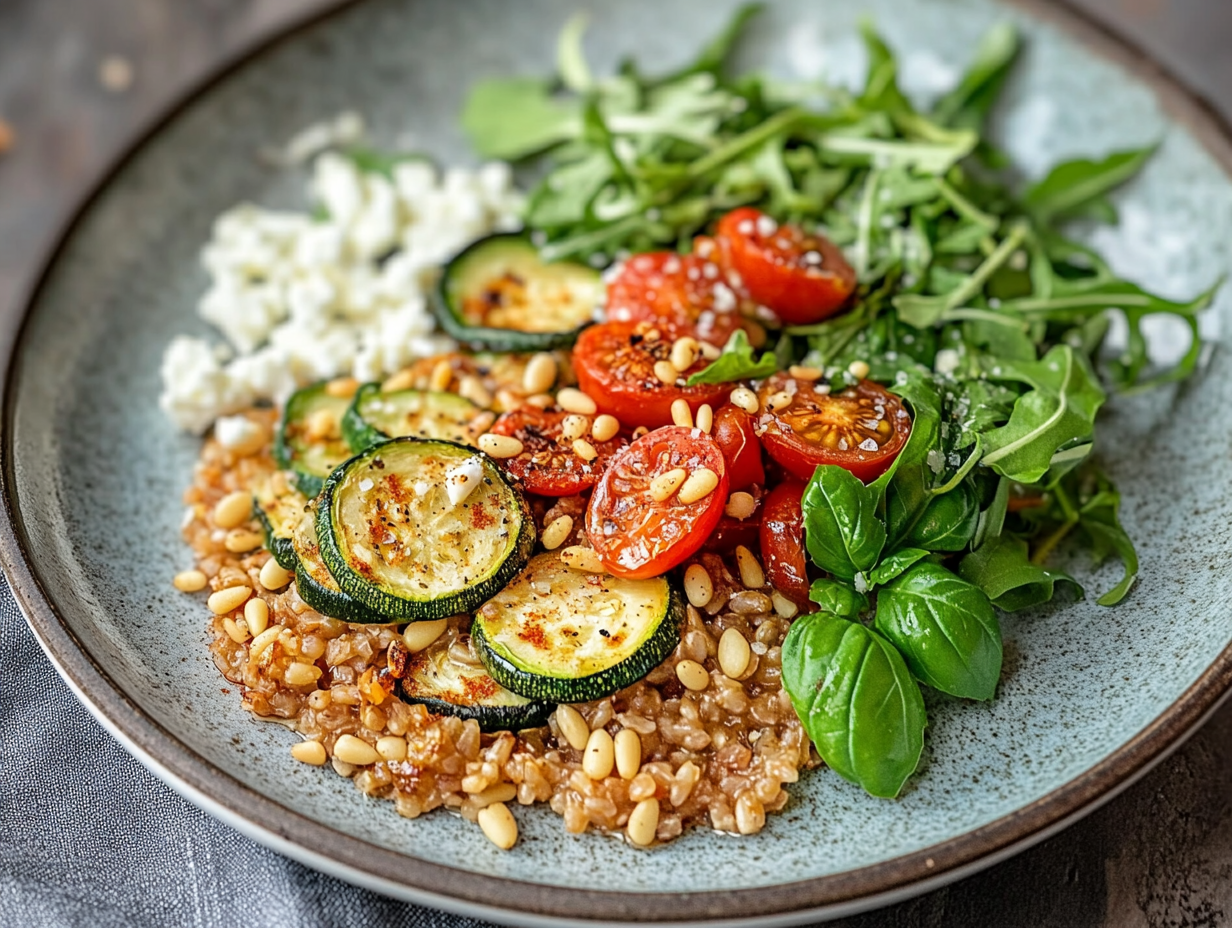
Riley, an amateur chef with a passion for experimenting in the kitchen, wants to develop a completely original recipe using only seasonal ingredients. The goal: create a new dish with flavors that complement one another, all while keeping it healthy and easy to prepare. Riley turns to ChatGPT for guidance on picking ingredients, techniques, and balancing the flavors.
Conversation
Prompt
"I want to create a healthy summer dish using zucchini, tomatoes, and fresh basil as the main ingredients. Can you suggest a hearty base that complements these ingredients?"
Response
“Great choices! For a summer dish, you might consider quinoa, which is light and healthy. Alternatively, you could use a whole grain like farro or a legume like lentils to add a heartier texture. What kind of texture are you going for?”
Explanation: Riley starts with a specific prompt, focusing on the main ingredients and asking for a suggestion on a complementary base. This reduces ambiguity and allows the AI to provide relevant suggestions without having to ask for more details.
Prompt
"I’m aiming for a hearty texture, so let’s go with farro. Can you guide me through the best way to prepare the farro and the vegetables to bring out their flavors?"
Response
“To highlight the flavors, you can roast the zucchini and tomatoes with olive oil and garlic. While those are roasting, cook the farro until tender. Toss everything together with fresh basil and a drizzle of balsamic vinegar. The roasting enhances the sweetness of the vegetables, while the farro provides that hearty texture you’re looking for.”
Explanation: Riley’s next prompt narrows the focus further by asking for preparation details. The AI gives a clear, actionable response that walks through the cooking process step by step, keeping the complexity manageable.
Prompt
"That sounds delicious! Can you suggest any additional toppings or garnishes to elevate the dish even more?"
Response
“Absolutely! To add some extra crunch and flavor, you can top the dish with toasted pine nuts or sunflower seeds. For a creamy contrast, you could crumble some feta or goat cheese over the top. A final sprinkle of chili flakes will add a subtle kick if you enjoy a bit of heat.”
Explanation: Here, Riley breaks the dish down even further by asking about garnishes. The AI suggests multiple options that allow Riley to customize the dish according to personal preference, continuing the theme of simplifying decisions step by step.
Prompt
"Let’s add toasted pine nuts and a sprinkle of chili flakes for that extra texture and kick. I’d also like to serve this dish to friends. What’s a good side dish that complements these flavors?"
Response
“A light, refreshing side would be perfect to balance out the hearty farro dish. Consider a simple arugula salad with lemon vinaigrette, shaved parmesan, and perhaps a few slices of avocado. The peppery arugula pairs nicely with the roasted vegetables, while the citrus adds a bright contrast.”
Explanation: Riley now looks beyond the main dish to ask for pairing advice. By keeping the conversation focused on complementary flavors, the AI delivers a thoughtful suggestion for a side dish that matches the main course.
Conclusion
Breaking down complex tasks into smaller, manageable prompts is like following a recipe—each step brings you closer to a delicious result. In Riley's case, starting with a specific prompt led to a flavorful, healthy dish, complete with garnishes and a complementary side, all thanks to the step-by-step guidance from ChatGPT.
So, next time you’re tackling a big project, remember to guide your assistant with specific, manageable prompts—one step at a time!